Luck or skill which plays a larger role in gambling outcomes
Luck or skill which plays a larger role in gambling outcomes
The Role of Luck in Gambling
Luck is often seen as the primary factor in gambling outcomes, particularly in games of chance like slots and roulette. These games are designed to be random, with outcomes that are purely dependent on chance rather than the player’s skill. The unpredictable nature of luck can create exhilarating moments, where a single spin or card draw can lead to a massive win or a complete loss. This randomness is what attracts many players, including those who frequent https://slotsmagic-uk.com, to gambling in the first place, as it introduces an element of excitement and uncertainty.
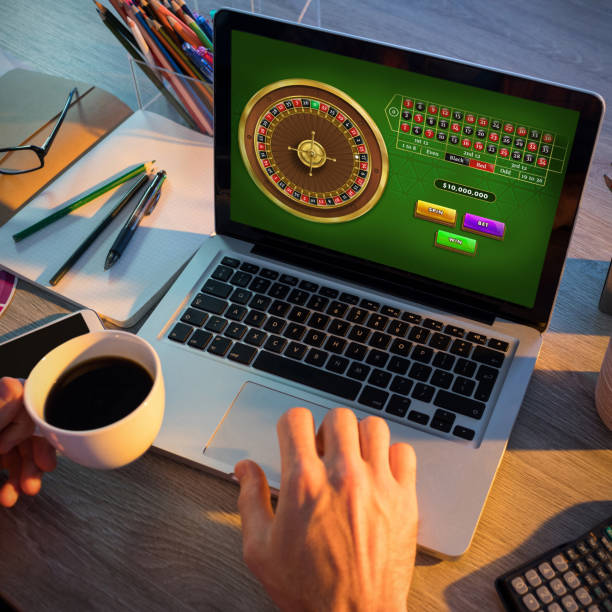
Understanding luck’s role is essential for players who might enter a casino with misconceptions about their chances of winning. Many people believe they can manipulate luck through rituals or superstitions, but in reality, the odds remain constant regardless of the player’s actions. The house always has an edge, especially in games like slots, where every spin is independent of the last. This inherent unpredictability highlights why luck often overshadows skill in the gambling world.
Moreover, luck influences the emotional experiences of players. A big win can lead to euphoria, while a string of losses can result in frustration. These emotional highs and lows are part of what keeps players returning, even when the odds are not in their favor. Understanding the role of luck allows players to appreciate the unpredictable nature of gambling, which can enhance the overall experience.
The Influence of Skill in Gambling
While luck plays a significant role, skill cannot be ignored, especially in strategic games like poker and blackjack. In these games, knowledgeable players can apply strategies that improve their chances of winning. For instance, a skilled poker player can read opponents and make calculated decisions based on the cards they hold, thus significantly impacting their outcomes. This strategic element adds a layer of complexity that sets these games apart from purely luck-based games.
Additionally, learning the rules and developing strategies can enhance a player’s experience and outcomes. In blackjack, for example, understanding when to hit or stand based on the dealer’s card can turn the odds in a player’s favor. Skill-based games often require practice and a deeper understanding of probabilities, demonstrating that while luck may initiate the game, skill plays a crucial role in determining long-term success.
Moreover, the psychological aspect of skill in gambling cannot be overlooked. A skilled player is often more composed and can make rational decisions even under pressure. This ability to maintain a level head during high-stakes situations can lead to better outcomes. Therefore, while luck is a constant variable, skilled players often find ways to mitigate its impact, showcasing the intricate balance between these two elements in gambling.
Debunking Popular Myths
There are several myths surrounding gambling that can mislead players about the importance of luck versus skill. One common misconception is that certain machines or tables are «hot» or «cold,» suggesting that players can predict outcomes based on previous results. However, each game round is independent, meaning that past results do not affect future ones. This myth can lead to misguided betting strategies, where players chase losses or alter their gameplay based on false patterns.
Another widespread myth is that expert players can consistently beat the house. While skilled players may have better odds in certain games, the house edge ensures that over time, the casino will profit. This misconception can lead new players to believe that skill guarantees success, which can result in disappointment and financial loss. Understanding the limits of skill in gambling can prevent players from falling into the trap of overconfidence.
Finally, many players believe that gambling is merely a game of luck, which can dissuade them from learning about strategies. Recognizing that skill can significantly enhance their experience and potential outcomes may encourage players to invest time in understanding game mechanics. By debunking these myths, players can approach gambling with a more informed mindset, balancing their expectations regarding luck and skill.
The Psychological Aspect of Gambling
The psychological dynamics in gambling play a crucial role in the balance of luck and skill. Emotions such as excitement, fear, and hope can cloud judgment, leading players to make decisions that may not align with optimal strategies. Understanding this aspect can enhance a player’s ability to make rational choices, especially during high-pressure situations. For instance, a player who is overly excited after a win might take unnecessary risks, relying too heavily on luck instead of skill.
Additionally, the concept of “loss aversion” can significantly impact gambling behavior. Players often feel the pain of losses more acutely than the joy of wins, leading them to chase losses through reckless betting. This psychological trait can skew their perception of luck and skill, making them more susceptible to the whims of chance. Recognizing these emotional triggers can help players approach gambling more strategically, allowing for a more balanced experience between luck and skill.
Lastly, understanding one’s psychology can lead to improved decision-making. Players who can identify when they are being influenced by their emotions can better control their gameplay. This self-awareness creates a more disciplined approach, where skill can take precedence over the randomness of luck. Acknowledging the psychological aspects of gambling enables players to navigate their experiences with greater clarity, ultimately enhancing both enjoyment and potential success.

Conclusion: The Balance Between Luck and Skill
In conclusion, the debate between luck and skill in gambling is far from straightforward. Both elements play significant roles depending on the type of game being played. In games of chance, luck reigns supreme, whereas skill can substantially affect outcomes in strategic games. The interplay between these two factors creates a complex environment that keeps players engaged and intrigued.
Understanding the nuances of luck and skill can empower players to approach gambling with a more informed mindset. By recognizing the randomness inherent in games of chance while also honing their skills in strategic games, players can enhance their overall experience and make more educated decisions. Ultimately, the balance between luck and skill defines the thrill of gambling, offering players both challenges and rewards.
For those interested in exploring this balance, Slots Magic Casino presents an excellent platform. With a vast array of games, including both luck-based and skill-focused options, players can engage in a thrilling environment while benefiting from secure gameplay and generous bonuses. The casino’s commitment to player safety ensures a trustworthy experience, making it an ideal choice for both new and seasoned gamblers.